Authentication
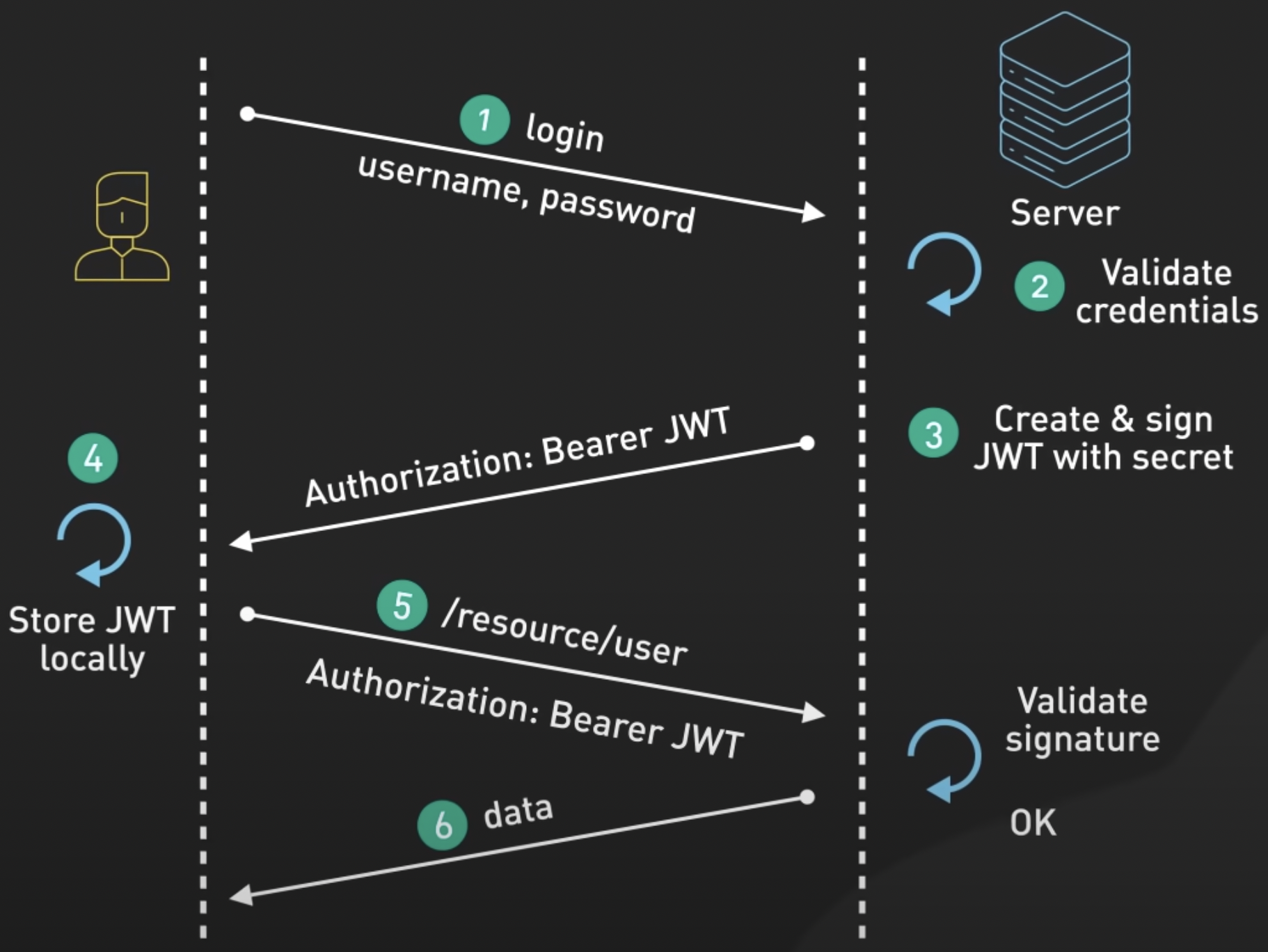
JWT
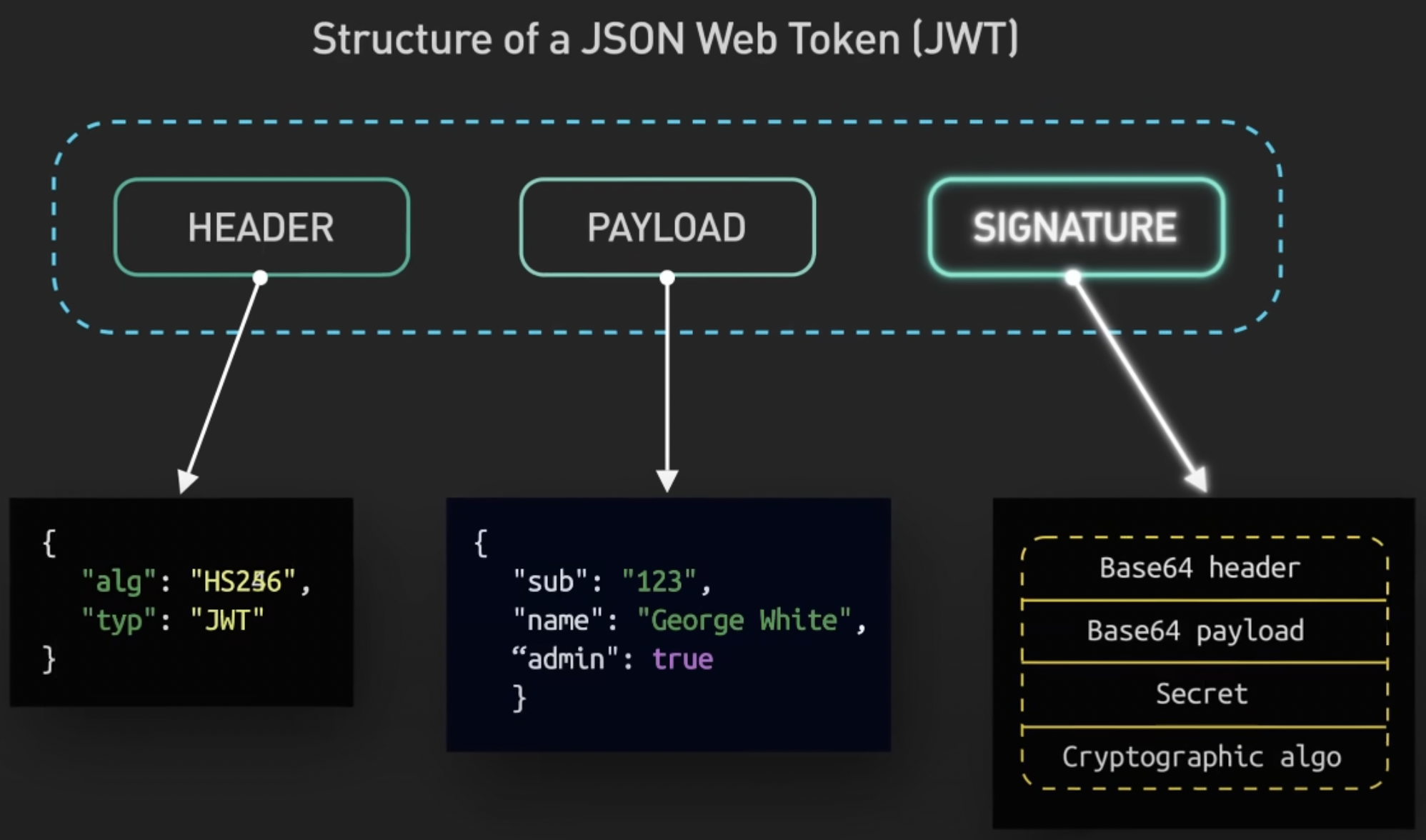
Token
login/logout
login(username: string, password: string) {
  return this.httpClient
    .post<{ token: string }>(`${this.baseUrl}/token`,
        { username: username, password: password })
    .pipe(
      tap(response => {
        localStorage.setItem(AuthService.tokenKey, response.token);
        this._user.set(username);
      })
    );
}
logout(): void {
  localStorage.removeItem(AuthService.tokenKey);
  this._user.set('');
  this.router.navigate(['/login']);
}
Interceptor
export const authInterceptor: HttpInterceptorFn = (req, next) => {
  const authService = inject(AuthService);
  if (!authService.isLoggedIn())
      return next(req);
  const cloned = req.clone({
    headers: req.headers.set('Authorization',
        `Bearer ${authService.getToken()}`)
  });
  return next(cloned);
};
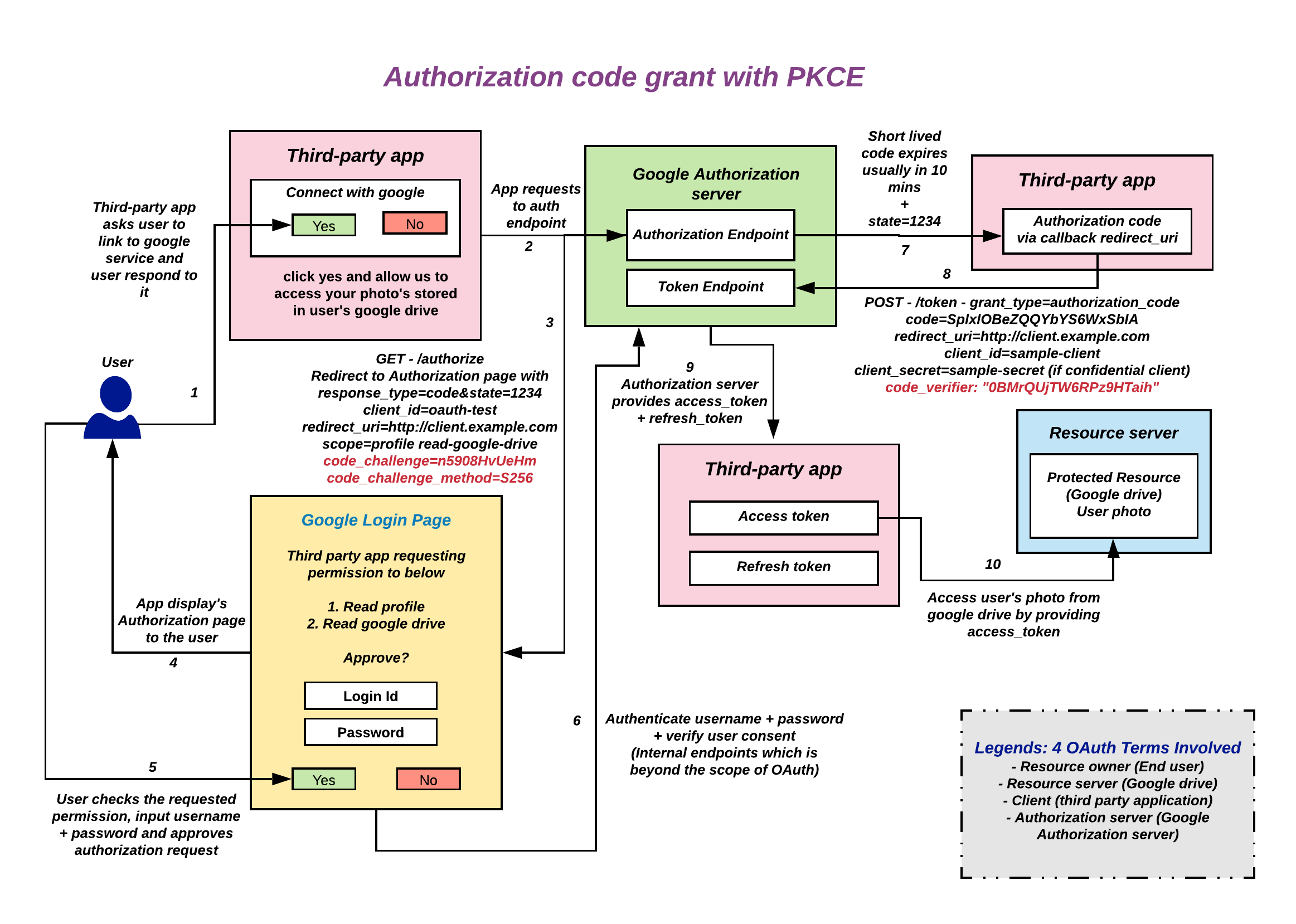
OAuth
Flow
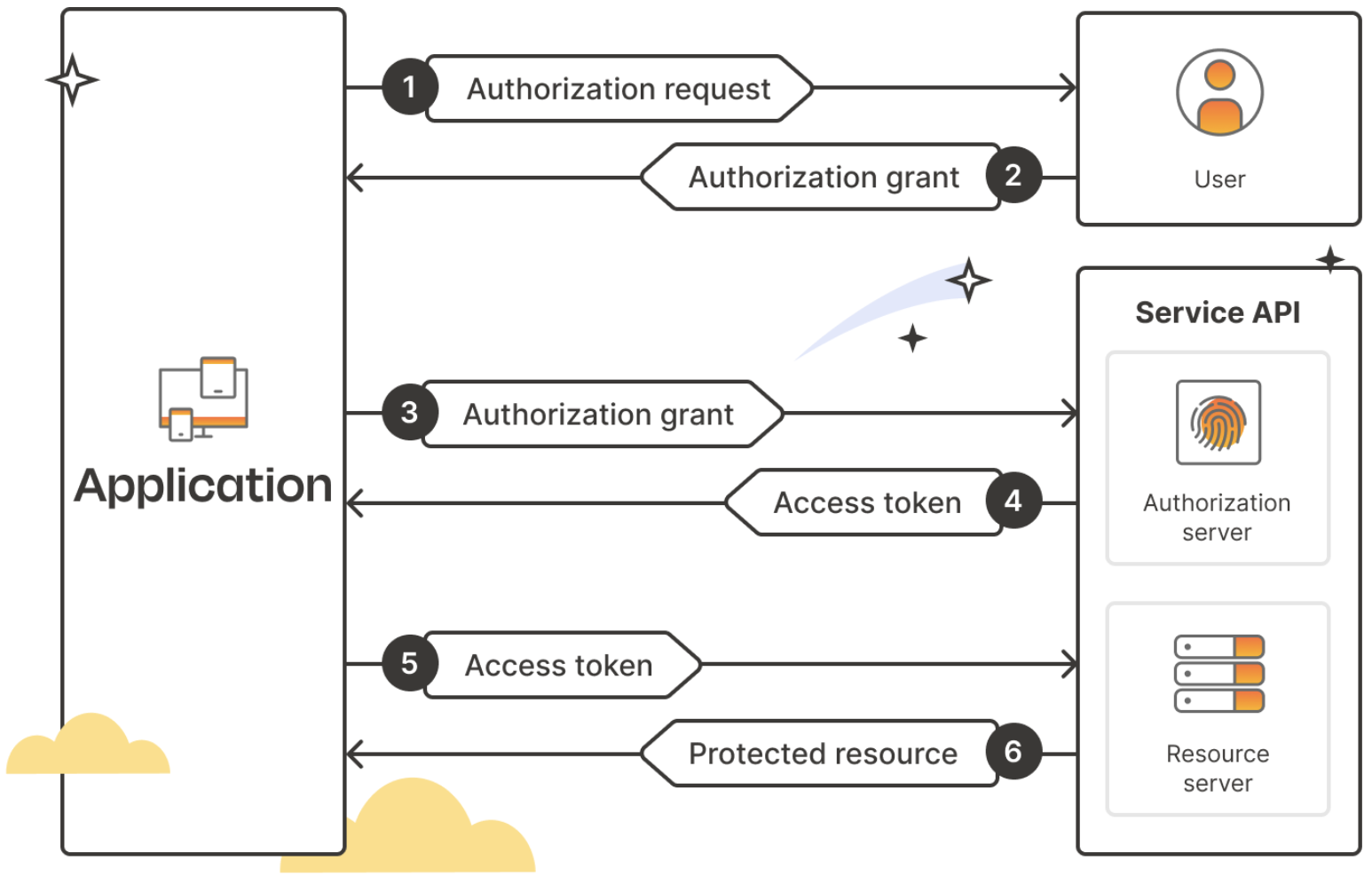
Vorteile
- Passwort bleibt beim Authentication-Service
- SRP - unterschiedliche Services für auth und Dienste
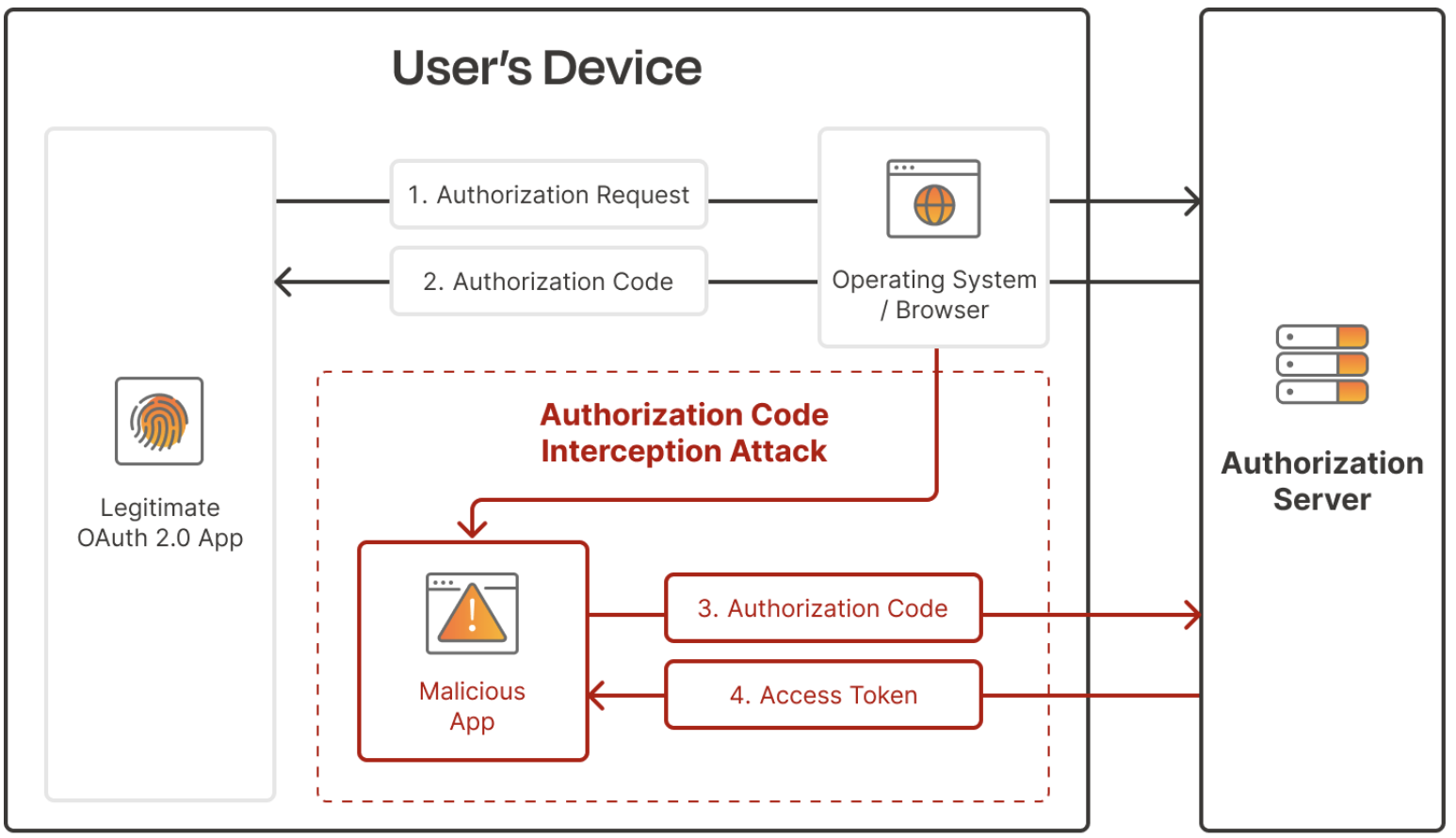
Intercept Attack
PKCE
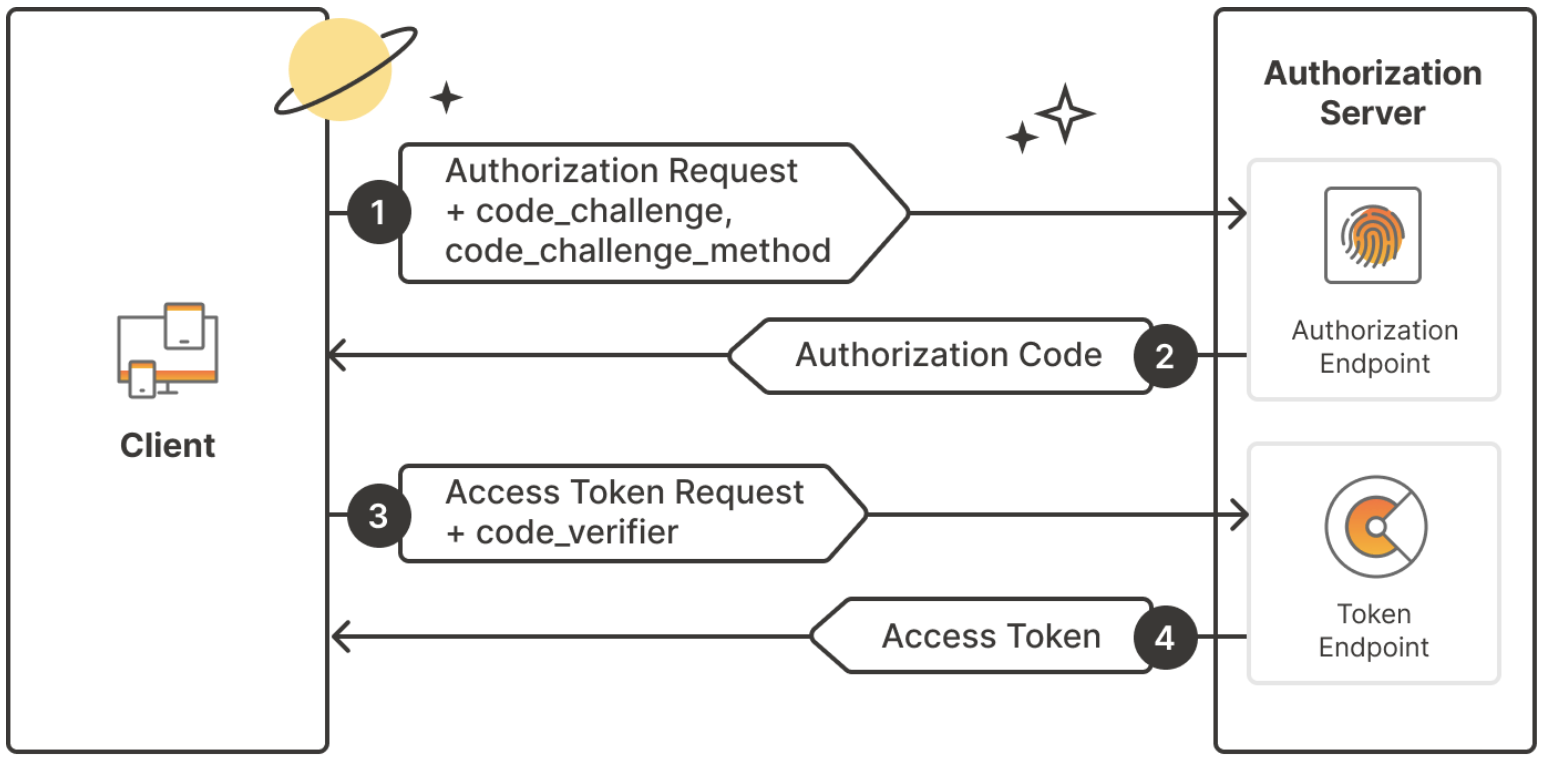
code_verifier = get_random_string()
code_challenge = SHA256(code_verifier)
GET /authorize?
    client_id=...&scope=...&response_type=code&redirect_uri=target&
    code_challenge=base64url(code_challenge)&
    code_challenge_method=S256
POST /token

client_id=...&redirect_uri=...&code=acode&code_verifier=verifier